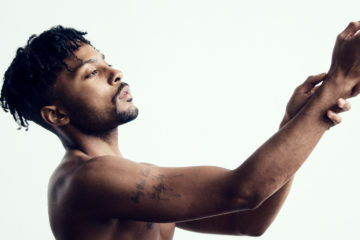
Chris is a mid-twentysomething Detroit native that is redefining fearless and leaving his mark in dance.
Unapologetic in more ways than one, Chris believes the... Go Deeper
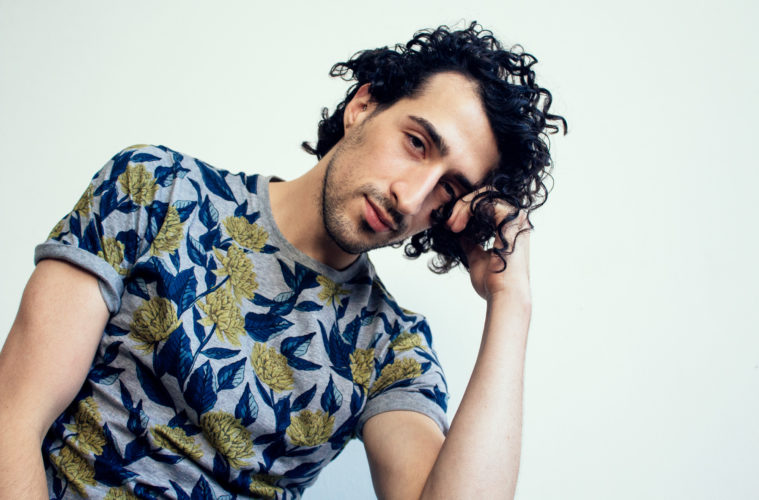
AJ is an early-twentysomething Pittsburgh native exploring everything that dance has to offer, and enjoying himself in the process.
Learning the many ways danc... Go Deeper
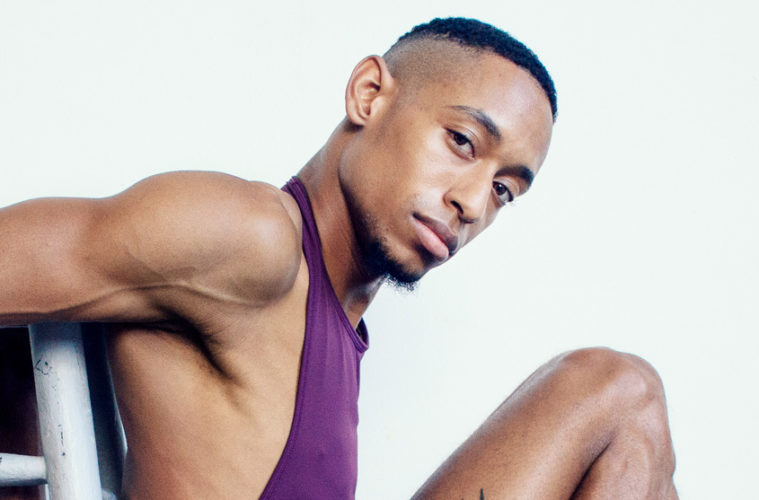
Nathaniel is a mid-twentysomething Maryland native who knows a thing or two about dance, and its ability to change the way we see ourselves and the world.
For ... Go Deeper
Matthew is a mid-twentysomething Bronxite using dance as an act of social resistance.
A change-maker in more ways than one, Matthew is a dancer, choreographer,... Go Deeper
Cole is an early-twentysomething New Jersey native rightfully ensuring we see professional dancers as more than art, but a new breed of athletes.
A thought- an... Go Deeper
Nicholas is a mid-twentysomething Oregon native rightfully shaking things up in New York City.
A member of Company XIV, a baroque-burlesque dance company based... Go Deeper
Gregory is a late-twentysomething Chicago and Gary native pushing possible and channeling passion one step at a time.
A mover and deep thinker in more ways tha... Go Deeper
Wendell is an early-twentysomething Atlanta-raised, New York City-made dancer who shows us what it really means to feel and be vulnerable.
A legitimate inspira... Go Deeper
Addison is a mid-twenty something California native breaking boundaries in New York City en pointe, literally.
The embodiment of fearlessness in more ways than... Go Deeper
Kelly is a late-twentysomething St. Louis native giving New York City all he has to offer.
If you asked why he dances, he’ll respond quite honestly, “ I fell i... Go Deeper
Storyteller, creative, and educator constantly dreaming up new ways to bring social change to the masses.
Pin It on Pinterest
The Healing Literacy Framework
In 2019, Keith F. Miller, Jr., observed something remarkable while running creative writing after school programs in Savannah, GA: Students from all backgrounds didn’t just step outside their comfort zones—they learned, led, and thrived with unmistakable joy. Despite this, Keith heard from students and families that school, even for the high-achievers, was a place they survived, not thrived. This led Keith, through his studies in Educational Psychology, to explore why young people felt empowered to learn, lead, and heal in some spaces but not in others.
Through a qualitative research study involving interviews with high schoolers, fellow teaching artists over a year, in addition to examining creative works from youth journals and performances, Keith found that when young people engage in arts-based healing practices with trusted others (peers and adults), they don’t just cope with their struggles—they transform them, becoming vibrant leaders in the process.
Drawing inspiration from the process of rainbow formation—reflection, refraction, and dispersion—and building off of groundbreaking research from scholars like David Kirkland, Gholdy Muhammad, Bettina Love, Bianca Baldridge, and Shawn Ginwright, Keith developed the Healing Literacy Framework, illustrating how arts-based, community programs are vital in supporting young people as they overcome educational trauma, and, in doing so, can result in transformative partnerships in school and beyond that prove healing is possible for everyone.
Enter, HEALIT
In 2019, Keith F. Miller, Jr., observed something remarkable while running creative writing after school programs in Savannah, GA: Students from all backgrounds didn’t just step outside their comfort zones—they learned, led, and thrived with unmistakable joy. Despite this, Keith heard from students and families that school, even for the high-achievers, was a place they survived, not thrived. This led Keith, through his studies in Educational Psychology, to explore why young people felt empowered to learn, lead, and heal in some spaces but not in others.
Through a qualitative research study involving interviews with high schoolers, fellow teaching artists over a year, in addition to examining creative works from youth journals and performances, Keith found that when young people engage in arts-based healing practices with trusted others (peers and adults), they don’t just cope with their struggles—they transform them, becoming vibrant leaders in the process.
Drawing inspiration from the process of rainbow formation—reflection, refraction, and dispersion—and building off of groundbreaking research from scholars like David Kirkland, Gholdy Muhammad, Bettina Love, Bianca Baldridge, and Shawn Ginwright, Keith developed the Healing Literacy Framework, illustrating how arts-based, community programs are vital in supporting young people as they overcome educational trauma, and, in doing so, can result in transformative partnerships in school and beyond that prove healing is possible for everyone.